
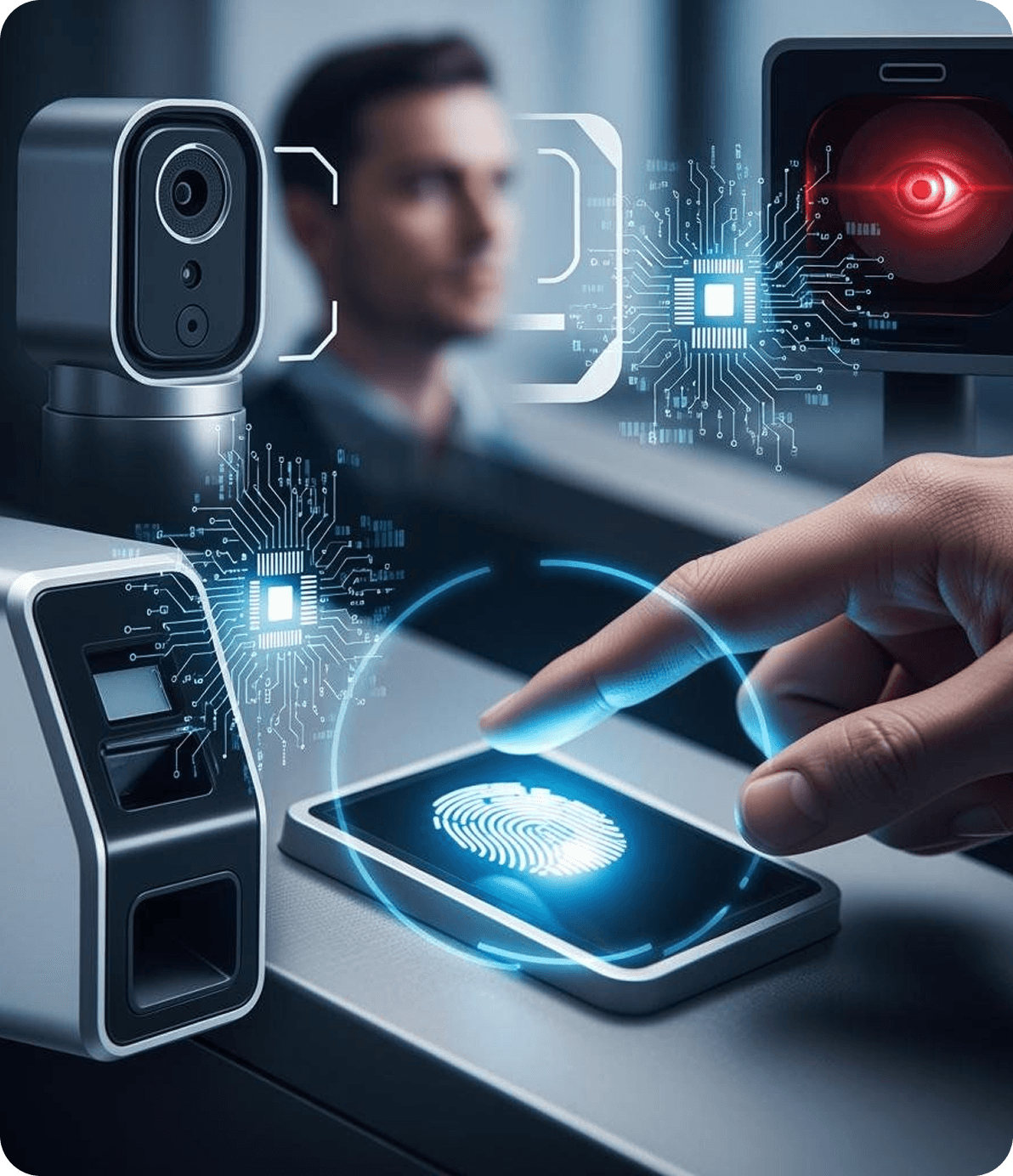
CCTV face recognition attendance vs biometric attendance
By Graeon.ai · Updated
Short answer
CCTV face recognition attendance marks employees in and out automatically as they walk past existing cameras, so there is no device to touch, no queue and no buddy punching. Fingerprint and card biometrics need a dedicated device at each entry and can be bypassed with cards or shared credentials. For large or multi-site workforces, CCTV attendance is usually faster and harder to cheat.
How does CCTV attendance work?
Each employee's face is enrolled once. Cameras at entry and exit points recognise them as they pass and log the time against their record. The data flows into HRMS for shifts, leave, overtime and payroll.
Where biometric machines fall short
- Queues at shift change when hundreds of workers punch at once
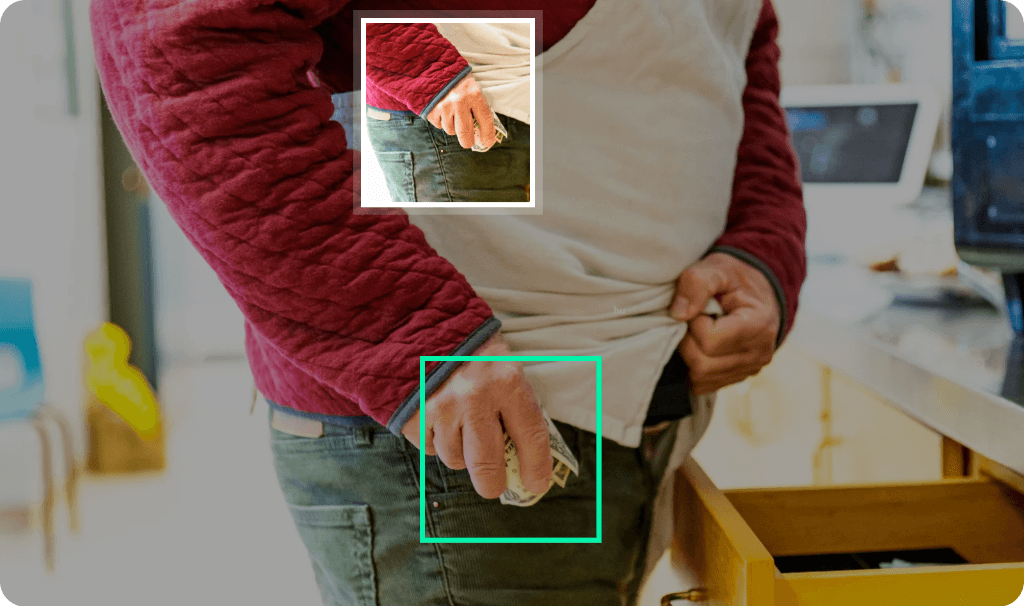
- Proxy and buddy punching with cards or shared credentials
- Contact-based devices that need cleaning and maintenance
- Separate hardware at every gate and site
- Fingerprint failures for workers with worn or dirty hands
Side-by-side comparison
- Hardware: CCTV uses existing cameras; biometrics need a device per entry point
- Proxy entries: CCTV ties each entry to a verified face; cards can be shared
- Speed: CCTV is walk-through; biometrics need each person to stop
- Hygiene: CCTV is touch-free; fingerprint devices are shared surfaces
- Manpower visibility: CCTV can also show who is where across zones
Results in practice
At Neco Steel & Foundry, which manages 5,000+ workers, Graeon CCTV attendance eliminated 98% of proxy entries and significantly reduced wage disputes.
Can you use both?
Yes. Graeon HRMS supports CCTV facial, biometric, geo-fenced mobile, supervisor-based and web attendance in one system, so field staff, offices and plants can each use the mode that fits.