What is AI video analytics?
By Graeon.ai · Updated
Short answer
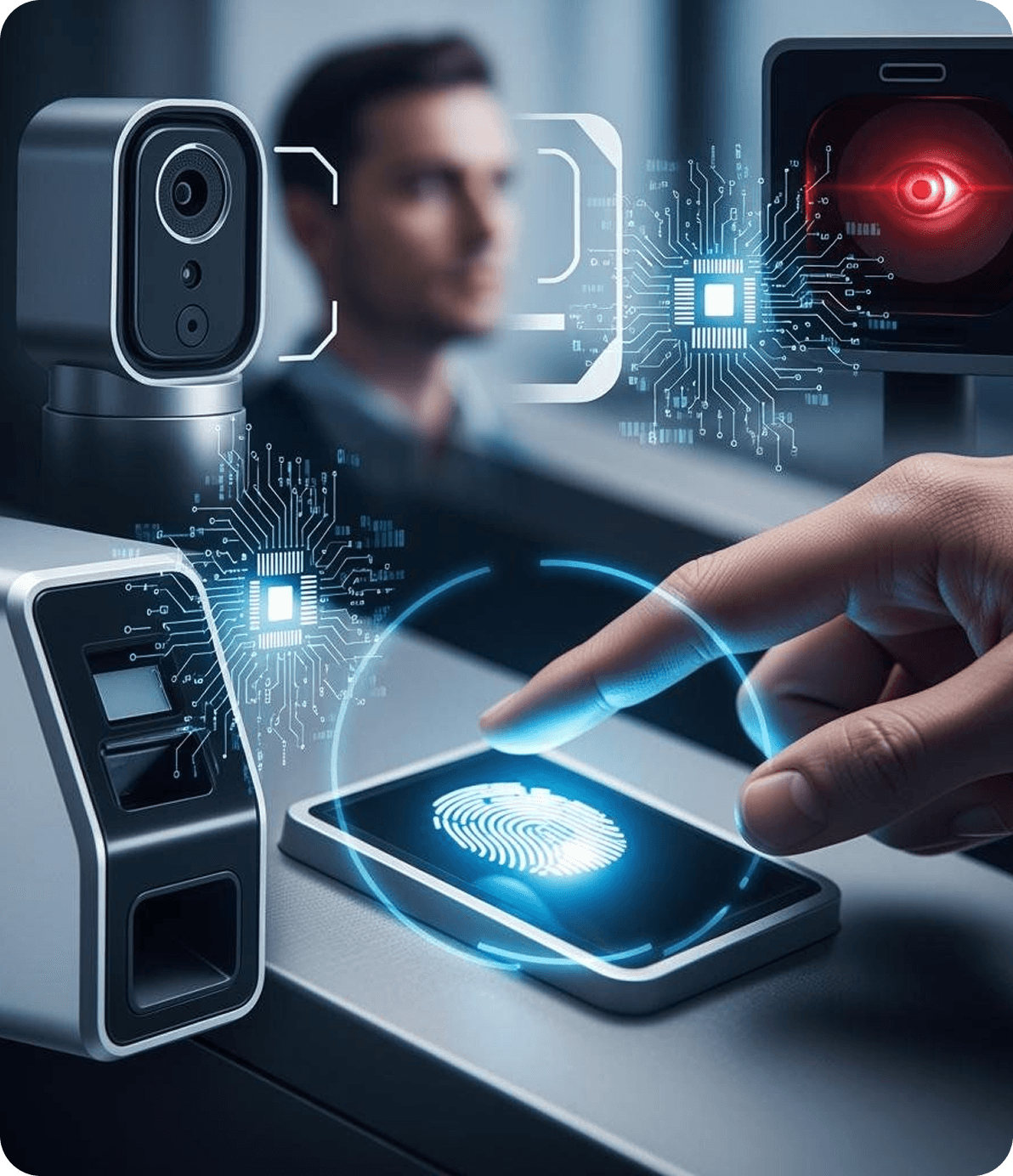
AI video analytics is software that uses computer vision to analyse camera footage automatically. Instead of people watching screens or reviewing recordings after an incident, the AI detects people, objects, faces and events in real time and turns them into alerts, dashboards and business data.
How does AI video analytics work?
Camera streams are sent to an AI engine that runs computer vision models on every frame. The models recognise what is in the scene — a person, a helmet, a vehicle number plate, a face, smoke — and rules decide what matters: a person in a restricted zone after hours, a worker without PPE, a counter left unattended.
When a rule is triggered, the system raises an alert and stores the clip as evidence. Over time the same detections become operational data: footfall, idle time, queue length, attendance and more.
What can it detect?
- People, crowds and loitering
- Faces, for attendance and blacklist/whitelist alerts
- PPE such as helmets, masks and gloves
- Zone and perimeter breaches
- Vehicles and number plates (ANPR)
- Slip-and-fall events, heat and smoke
- Process events such as ladle movement or empty shelves
Do you need new cameras?
Usually not. Modern platforms work on the IP and CCTV cameras a business already has. Graeon Netra, for example, runs on existing CCTV infrastructure, so the investment is in software rather than hardware. Camera angle and image quality still matter, so check coverage of the areas you care about before a rollout.
How do businesses use it?
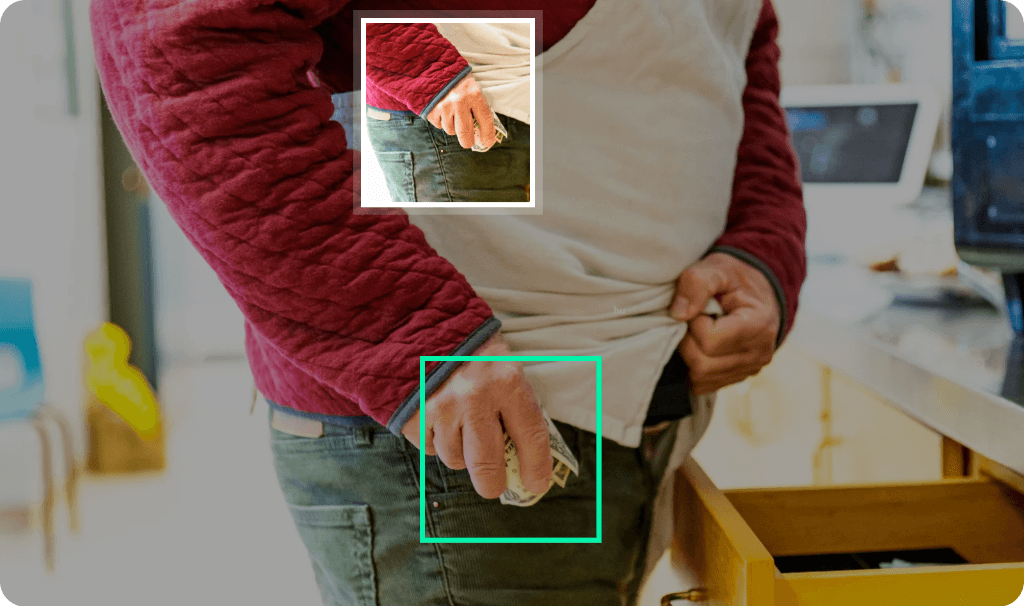
Manufacturers use it for safety compliance, defect detection and contract-worker attendance. Retailers use it for loss prevention, shelf monitoring and customer journeys. Restaurants use it for kitchen hygiene and billing counters. Schools, hospitals and security teams use it for perimeter monitoring and incident response.
The biggest value comes when alerts reach the right person and connect to business systems. Graeon links every Netra alert to ERP workflows, so a safety violation, an attendance record or a stock discrepancy lands where it can be acted on.